
Minimally Invasive Dentistry
Protect Your Natural Smile

Preserve more natural teeth with gentle modern techniques.
Get Gentle Care for Your Smile With Minimally Invasive Dentistry in Wilmington
At Porters Neck Dentistry, we use minimally invasive dentistry in Wilmington to help protect and maintain your smile. Our approach preserves more of your healthy tooth structure with effective and comfortable treatments. This patient-focused care enhances your long-term oral health and reduces overall recovery time.
Our dental preservation techniques include silver diamine fluoride to arrest tooth decay painlessly, air abrasion for cavity removal without drills, and inlays and onlays as alternatives to fillings or crowns. These procedures maintain and improve the health and beauty of your natural teeth.
Benefit From Our Conservative Approach
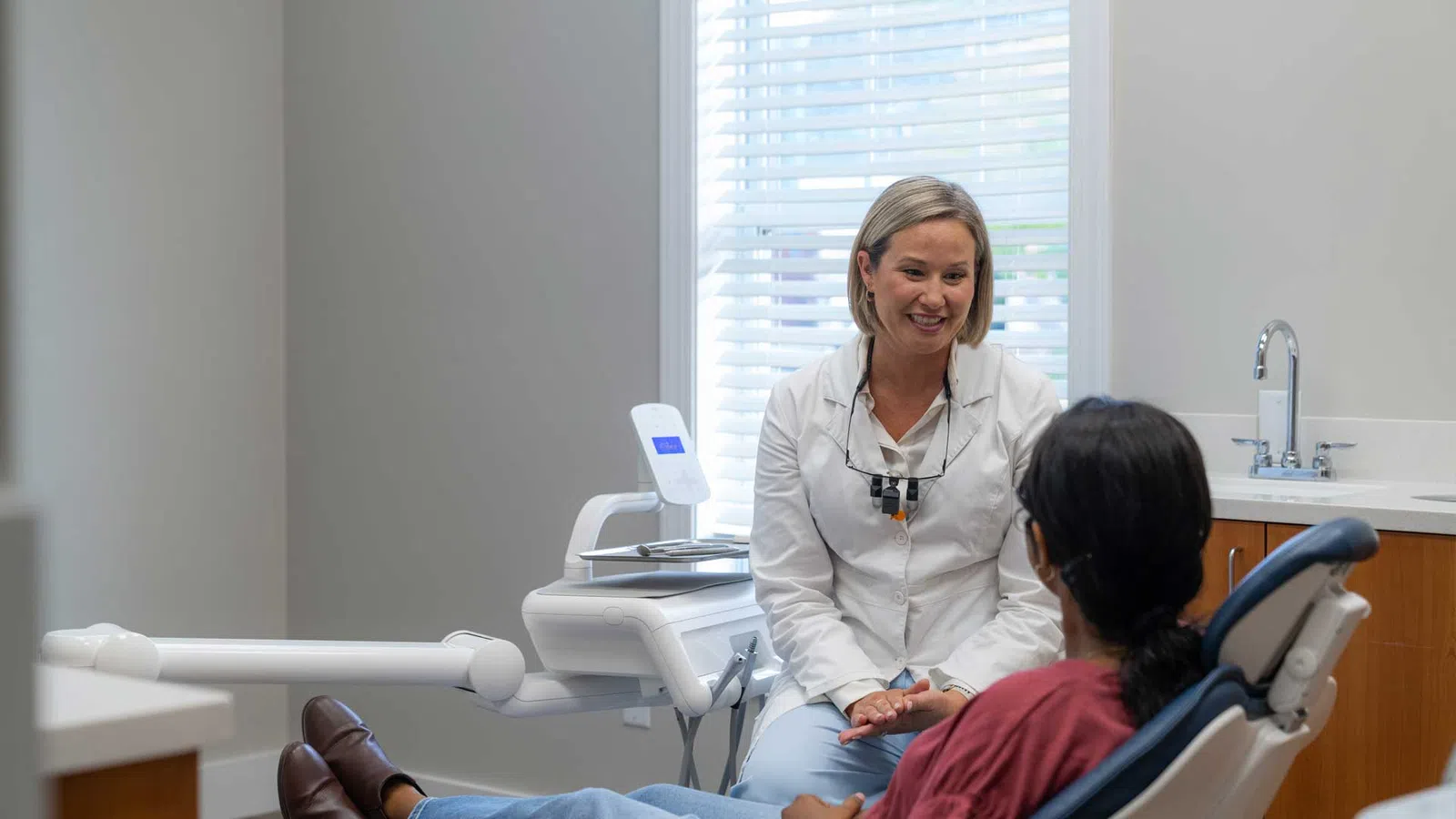
Beyond the clinical outcomes, minimally invasive dentistry improves the comfort level of appointments. Treatments are less involved and recovery time is minimal. Plus, you leave with more of your smile intact. You'll experience:
- Less Anxiety - Air abrasion and non-invasive treatments like silver diamine fluoride involve less noise, less pressure, and less discomfort than conventional solutions.
- Simpler Appointments - Many minimally invasive treatments require little to no downtime. You can get back to your day sooner.
- A Smile That Still Feels Like Yours - Because these treatments preserve your tooth structure, your smile continues to look and feel the way it should.
- Confidence in Your Care - Knowing that we prioritize conservation gives you peace of mind. You can trust that every recommendation we make will promote your long-term health.
Experience Enhanced Comfort & Excellent Results
Your dentist will recommend the approach that fits your specific situation. We can offer:
- Silver Diamine Fluoride - We apply this liquid treatment to early-stage cavities to stop decay and strengthen enamel.
- Air Abrasion - Instead of a traditional drill, air abrasion uses a precise stream of fine particles to remove tooth decay. Often, no numbing is needed.
- Inlays - An inlay repairs damage in the center of the chewing surface, fitting within the cusps of a tooth.
- Onlays - An onlay covers a larger portion of the tooth while still preserving the underlying structure.
Benefit from our minimally invasive dentistry in Wilmington.
Commonly Asked Questions About Minimally Invasive Dentistry
What is minimally invasive dentistry?
Minimally invasive dentistry lets us treat decay and damage using precise, targeted techniques. We use air abrasion, partial crowns, and silver diamine fluoride treatments to treat decay and damage with minimal discomfort. We'll protect your natural tooth structure for better results. You can expect less impact, less discomfort, and faster healing.
What are the benefits of choosing minimally invasive dentistry?
Minimally invasive dentistry offers several benefits. It focuses on preserving more of your tooth structure, reducing treatment discomfort, and promoting faster recovery. We use advanced technology and conservative techniques to treat dental issues while maintaining your smile's health and appearance.
How does minimally invasive dentistry improve my overall visit?
Minimally invasive dentistry focuses on gentle treatments that preserve your smile and minimize your discomfort. With advanced, comfort-focused techniques, you'll experience less anxiety and faster healing. This approach, enhanced by our welcoming office environment, ensures you feel comfortable and confident during your visit.
Is minimally invasive dentistry a good option for patients with dental anxiety?
Minimally invasive dentistry works especially well if anxiety has kept you from seeking care. These treatments involve less noise, less pressure, and less discomfort than traditional procedures. You will likely find that air abrasion and silver diamine fluoride feel less intimidating, making it easier to stay consistent with your dental health.
How long do minimally invasive dental treatments take to heal?
Recovery is typically faster than with traditional dental procedures. Because minimally invasive treatments preserve more of your natural tooth structure and involve less disruption to surrounding tissue, you can often resume normal activity the same day. We will give you specific guidance based on your treatment, but there is typically little downtime.
Does minimally invasive dentistry cost more than traditional dental treatment?
Minimally invasive treatments are often comparable in cost to traditional options, and they can actually save you money over time. By addressing problems early and preserving more of your natural tooth, you reduce the likelihood of needing more complex and expensive procedures later on.
